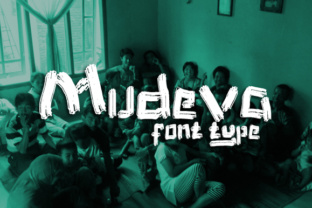
Mudeva: A Rough Brush Font for Authentic Brand Identity
I remember staring at a blank digital canvas, tasked with refreshing the visual identity for a small-batch skincare line. The brief called for something organic, raw, and unpolished, yet professional enough to sit on a premium shelf. My usual go-to script fonts felt too rigid or overly decorative, lacking the grit that the brand needed. That was when I pulled Mudeva into the mix. As a Script Handwritten typeface, it immediately shifted the energy of the project, transforming sterile layouts into something that felt tactile and human.
This review isn't just about character maps; it is based on real-world testing where I applied this Fonts family across logos, packaging mockups, and social media assets. If you are looking for a creative font that captures the essence of a rough brush stroke without sacrificing usability, here is what happened when I put Mudeva through its paces in a live branding environment.
Mudeva for Boutique Packaging and Product Labels
Mudeva excels when you need to convey a sense of handmade craftsmanship, making it an ideal choice for boutique packaging and product labels. During my test with a local bakery's rebranding, I placed the font on a kraft paper bag mockup, and the texture of the letters seemed to blend perfectly with the natural fiber of the material. Unlike standard serif fonts that can look stiff on rustic surfaces, this Script Handwritten style adds a layer of personality that suggests care and attention to detail.
- The irregular edges of the brush strokes create visual interest that draws the eye to the product name.
- It works exceptionally well as a primary display font for short phrases like "Artisan," "Fresh," or "Handcrafted."
- The font maintains legibility even when scaled down for smaller bottle labels, provided the contrast is managed correctly.
However, it is crucial to remember that Mudeva is best suited for headlines and accent text rather than long body copy. When used for nutritional facts or ingredient lists, it becomes difficult to read. For those sections, pairing it with a clean sans serif font creates a balanced hierarchy. This combination ensures that the emotional impact of the rough brush font remains strong while maintaining the necessary clarity for consumer information.
Mudeva in Logo Design and Creative Studio Identity
When designing a logo for a creative studio, the goal is often to capture a specific mood instantly. Testing Mudeva in this context revealed its potential as a powerful display font that communicates creativity and spontaneity. I experimented with using the font for a full-word logotype for a photography collective, and the varying thickness of the strokes gave the design a dynamic, energetic feel that static typefaces lack.
As a Script Handwritten option, Mudeva avoids the overly cursive, flowery look of traditional calligraphy scripts. Instead, it offers a modern, edgy aesthetic that fits well with contemporary branding trends. The font feels like it was painted by hand, which lends an authentic touch to brand identities that want to stand out from corporate uniformity. It is particularly effective for:
- Personal Brands: Freelancers and consultants who want to showcase their individual voice.
- Lifestyle Blogs: Creating a header or signature that feels intimate and approachable.
- Event Branding: Wedding invitations or conference titles that require a unique, artistic flair.
If you are considering this for a formal corporate identity, proceed with caution. While Mudeva is versatile, its rough nature might clash with industries requiring strict minimalism or traditional authority. But for brands in the arts, fashion, food, or lifestyle sectors, it serves as a compelling commercial font that elevates the overall perception of the business.
Mudeva for Social Media Graphics and Web Headers
In the fast-paced world of digital marketing, grabbing attention within seconds is vital. I tested Mudeva on Instagram posts and website hero sections to see how it performed against high-resolution images. The result was striking; the rough brush font texture cut through the noise of flat vector graphics, adding depth and warmth to the feed. It transforms a standard promotional image into something that looks curated and styled.
For web design, using Mudeva as a headline font can significantly improve engagement metrics by setting a welcoming tone. However, because it is a script font with variable stroke weights, readability on mobile devices requires careful sizing. I found that keeping the font size generous and ensuring sufficient contrast against the background color was essential. Pairing it with a simple, geometric sans serif for subheadings and body text creates a modern typography system that is both stylish and functional.
Designers should also check the included styles and alternates before finalizing their designs. Many versions of this Fonts family come with swashes or ligatures that can be used to connect words more fluidly, adding an extra layer of polish to your design assets. Always preview the text in the actual context where it will appear—whether on a dark mode interface or a bright white flyer—to ensure the brush strokes render cleanly without losing definition.
Mudeva Pairing Strategies and Commercial Licensing
One of the most common questions I get as a designer is how to pair a distinctive Script Handwritten typeface like Mudeva with other elements. The golden rule is balance. Since Mudeva has a strong visual voice, it needs a neutral partner to ground the design. A classic serif font works beautifully for editorial projects, offering a timeless elegance that contrasts with the modern roughness of the brush strokes. Alternatively, a clean sans serif font provides a stark, modern contrast that highlights the organic nature of Mudeva.
Before integrating this font into any client deliverables, it is imperative to review the commercial font licensing terms. Using a premium font for client work, merchandise, or print-on-demand products often requires a specific license agreement. Ensure you understand the scope of usage for your project, whether it involves digital templates, physical packaging, or broadcast media. This step protects both you and your client from legal complications.
In conclusion, Mudeva is not just another decorative typeface; it is a tool for storytelling. Its ability to mimic the imperfections of a real brush makes it a standout choice for designers seeking authenticity in their brand identity projects. Whether you are creating a logo, designing packaging, or crafting social media content, this rough brush font brings a human element that resonates with audiences. If you are ready to add some texture and soul to your next creative project, Mudeva is definitely worth downloading and testing in your workflow.